

The Social Health Authority (SHA) and the Realization of Taifa Care
The New Architecture of National Health
The pursuit of Universal Health Coverage in Kenya has reached a defining milestone in 2026 with the full operationalization of the Social Health Authority. For decades, equitable healthcare remained constrained by a fragmented, salary-based insurance structure that excluded a significant portion of the informal sector. Under the Taifa Care delivery model, that structural limitation has been resolved. Universal Health Coverage now functions as a structured national system anchored in three specialized funds designed to safeguard every Kenyan regardless of economic standing.
By March 2026, SHA registration has scaled to 29.7 million citizens. This marks a decisive restoration of public confidence, transitioning from the deficit-driven framework of the former NHIF to a surplus-generating, technology-enabled authority guided by AI-supported governance systems. The Bottom-Up design remains central to this transformation. While SHA oversees financial and technical administration, Taifa Care represents the citizen-facing commitment to dignity, quality, and equity across public and private health facilities in all 47 counties.
The Three-Fund Engine: 2026 Progress Update
The sustainability of Universal Health Coverage in 2026 is powered by the coordinated implementation of the three funds established under the Social Health Insurance Act. Each fund addresses a specific layer of healthcare need through targeted financing:
- Primary Healthcare Fund (PHCF)
The PHCF forms the operational base of the BETA health pillar. Fully tax-funded, it eliminates monthly premium requirements at the primary care level. Over the past six months, more than 8 million Kenyans have accessed services at Level 2 dispensaries and Level 3 health centers without out-of-pocket expenditure. By financing preventive and first-contact services, the PHCF has reduced congestion at referral hospitals and strengthened efficiency across the health system.
- Social Health Insurance Fund (SHIF)
The SHIF operates as a mandatory national risk pool for all residents. With a standardized contribution rate of 2.75 percent, the fund has generated KSh 142.78 billion in the current cycle. It provides comprehensive inpatient and outpatient coverage across Level 4, 5, and 6 hospitals. In 2026, the claims settlement rate stands at 73 percent, reflecting strengthened operational efficiency and renewed participation by private healthcare providers.
- Emergency, Chronic, and Critical Illness Fund (ECCIF)
The ECCIF addresses high-cost treatments that historically pushed households into medical poverty. In 2026, it functions as an automatic financial safeguard once SHIF limits are reached during prolonged treatment such as oncology care, dialysis, intensive care, or organ transplantation. The government has supported 558,000 vulnerable households under this fund, ensuring specialized medical intervention is accessible as a national entitlement.
Institutionalizing the Green Label Standard
The implementation of Universal Health Coverage through SHA is visibly demonstrated through the Green Label Service Charter across health facilities. This charter defines the national benchmark for patient experience in 2026. Currently, 10,277 health facilities are integrated into the Taifa Care system, each mandated to display the Universal Benefit Package outlining available services.
Standardized tariffs have been introduced nationwide, eliminating unpredictable billing practices and enhancing transparency. A mama mboga in rural Murang’a and a boda boda operator in Kisumu access diagnostic and treatment services under the same nationally regulated structure available in Nairobi.
Transparency is further reinforced through a Claims Tracking Dashboard that enables real-time visibility of service utilization and payment status for both patients and providers. This digital oversight framework strengthens accountability, improves financial discipline, and institutionalizes trust within Kenya’s health financing ecosystem.
Digitizing the Health Frontier – The Role of the Afya Integrated Information System (AIIS)
The expansion of Universal Health Coverage in 2026 is anchored in the Afya Integrated Information System. AIIS serves as the digital backbone of the national health financing and service delivery framework. It has transitioned Kenya from fragmented, paper-based processes to a unified, secure data ecosystem. By centralizing patient records, provider data, and financial transactions, the system enables the Social Health Authority to manage nearly 30 million registered members with accuracy, transparency, and operational discipline.
The Unified Digital Health Record
A major milestone under the 2026 BETA health progress is the implementation of the Unique Patient Identifier. Linked to the national primary database, the UPI guarantees seamless portability of care. A patient visiting a Level 2 dispensary in Turkana or a Level 6 referral hospital in Nairobi can have their medical history, laboratory results, imaging records, and prescriptions accessed instantly by authorized clinicians.
This interoperability reduces duplication of diagnostic tests, minimizes clinical errors, and ensures continuity of treatment for chronic illnesses supported under the Emergency, Chronic, and Critical Illness Fund. The result is a patient-centered system built on verified data integrity.
AI-Driven Claims Management and Fraud Control
To safeguard the KSh 142.78 billion pooled within the Social Health Insurance Fund, SHA has deployed advanced artificial intelligence protocols in claims processing. In 2026, the system analyzes billing patterns in real time, flags irregularities, and verifies service delivery through biometric authentication at the point of care.
- Real-Time Processing: Claims turnaround has reduced from several months to an average of 14 days.
- Cost Discipline: Automated audits have prevented an estimated 12 percent of potential financial leakage linked to inflated billing and fictitious claims.
- Provider Stability: Predictable reimbursement cycles support liquidity for the 10,277 integrated health facilities, strengthening public-private collaboration within the Taifa Care framework.
Telemedicine and Virtual Clinical Integration
Digital transformation extends beyond financial administration into clinical delivery. The National Telemedicine Platform, integrated into AIIS, connects Level 3 health centers in remote counties with specialists in national referral hospitals.
This hub-and-spoke digital architecture enables patients in underserved regions to receive oncology, cardiology, and other specialized consultations without incurring prohibitive travel expenses. These services are financed within the Universal Benefit Package and supported through the Emergency, Chronic, and Critical Illness Fund. Digital connectivity therefore strengthens equity in access while preserving efficiency in resource allocation.
Strengthening the Primary Healthcare Foundation – The Community Health Promoter Network
The realization of Taifa Care is reinforced at the grassroots through the professionalization of the Community Health Promoter workforce. As of March 2026, a network of 100,000 CHPs operates nationwide as the frontline extension of the Primary Healthcare Fund.
Preventive Care at Household Level
Prevention remains central to the BETA health pillar. Each Community Health Promoter is equipped with a digital tablet integrated with the SHA database. During routine household visits, CHPs conduct screenings for hypertension, diabetes, malnutrition, and other common conditions.
- Early Detection: Identification of non-communicable diseases at early stages triggers timely referrals to Level 2 facilities, reducing complications and long-term treatment costs.
- Data-Guided Action: Real-time data uploads generate disease surveillance heatmaps, enabling the Ministry of Health to mobilize targeted interventions efficiently.
- Maternal and Neonatal Health: Community-based engagement has contributed to a 24 percent increase in skilled birth deliveries within previously underserved regions.
Economic Efficiency of Community-Based Care
Community-led primary care strengthens the financial sustainability of the Social Health Insurance Fund. Management of minor ailments and health education at household level has diverted millions of low-acuity cases from Level 4 and Level 5 hospitals.
This redistribution preserves referral hospital capacity for complex procedures and specialized interventions. The approach enhances value for money in public health expenditure and reinforces taxpayer confidence in the Universal Health Coverage framework.
Pharmaceutical Security and the Essential Medicines Supply Chain
In 2026, Universal Health Coverage is supported by a strengthened pharmaceutical supply system aligned with the demand-driven financing model of the Social Health Authority.
The Kenya Medical Supplies Authority has undergone structural reforms to synchronize procurement, inventory management, and facility-level distribution with real-time consumption data generated through AIIS.
Last-Mile Delivery Performance
A hybrid push-pull supply model now tracks essential medicines from central warehouses to dispensary pharmacies using digital inventory tools.
- Stock Availability: The national fill rate for essential medicines has reached 92 percent in public facilities.
- Local Production Incentives: Policy incentives for domestic pharmaceutical manufacturing have reduced dependence on high-cost imports for antibiotics and long-term medication for non-communicable diseases.
Standardized Pricing and Transparency
A national medicines price schedule ensures uniform reimbursement rates across all facilities. This framework stabilizes pricing structures and eliminates unpredictable cost variations previously experienced under legacy systems.
Under the Green Label Service Charter, patients accessing services within the Universal Benefit Package receive prescribed medication without hidden charges. Transparency in procurement, pricing, and reimbursement reinforces Taifa Care as a reliable and comprehensive national health shield.
The Digital Health Superhighway – AIIS and the Architecture of Transparency
The expansion of Universal Health Coverage in 2026 is firmly anchored in the Afya Integrated Information System. AIIS serves as the national digital health backbone that integrates service delivery, financing, compliance, and oversight within one secure and interoperable platform. It has transitioned the health sector from fragmented paper files and isolated facility registers to a unified national data ecosystem capable of managing nearly 30 million registered members under the Social Health Authority.
Through centralized governance, AIIS consolidates patient records, provider credentials, claims submissions, tariff schedules, and reimbursement approvals into a single digital environment. Every clinical encounter and every financial transaction within Taifa Care is electronically captured, authenticated, and traceable. This architecture embeds transparency within the operational fabric of Universal Health Coverage and strengthens public confidence in the stewardship of pooled national resources.
The Unified Digital Health Record and Unique Patient Identifier
A critical milestone under the 2026 BETA health agenda is the full implementation of the Unique Patient Identifier. Linked to the national primary database, the UPI assigns every registered citizen a permanent digital health identity that follows them across all 47 counties and across all levels of care.
- Portability of Care: A beneficiary visiting a Level 2 dispensary in Turkana or a Level 6 referral hospital in Nairobi is identified through one secure digital profile. Medical history, laboratory results, imaging records, prescriptions, and referral notes are instantly accessible to authorized clinicians, ensuring seamless continuity of treatment.
- Clinical Accuracy: The unified digital record reduces duplication of laboratory tests and diagnostic procedures. Providers make decisions based on complete patient histories, strengthening treatment precision and improving outcomes for chronic conditions financed under the Emergency, Chronic, and Critical Illness Fund.
- System Accountability: Every consultation, prescription, and procedure generates a verifiable digital trail. This audit capacity reinforces regulatory oversight while maintaining strict data protection standards through encrypted access controls.
The UPI therefore functions as both a clinical tool and a governance instrument within the broader Taifa Care framework.

AI Driven Claims Management and Financial Integrity
The Social Health Authority manages KSh 142.78 billion pooled within the Social Health Insurance Fund. Protecting this pool is central to the sustainability of Universal Health Coverage. AIIS integrates advanced artificial intelligence protocols that analyze, validate, and approve claims within a structured risk management framework.
- Real Time Validation: Claims submitted by facilities are automatically cross checked against standardized treatment pathways, approved tariffs, and authenticated patient encounters. Discrepancies are flagged instantly for review, reducing administrative delays and enhancing procedural discipline.
- Biometric Verification: Service delivery is confirmed at the point of care through biometric authentication linked to the Unique Patient Identifier. This ensures that reimbursements correspond directly to verified clinical encounters.
- Financial Safeguards: Predictive analytics monitor billing patterns across facilities and identify irregular trends. Approximately 12 percent in potential leakage associated with inflated billing and fictitious claims has been prevented through automated audits and anomaly detection systems.
- Accelerated Reimbursement: The average claims turnaround time stands at 14 days. Prompt and verified payments sustain liquidity for the 10,277 integrated facilities and reinforce confidence within the public and private service delivery network.
Through AIIS, digital governance is embedded within everyday healthcare operations. Transparency, operational efficiency, and fiscal discipline function as structural pillars supporting the Universal Health Coverage framework in 2026.
Strengthening the Primary Healthcare Foundation – The Community Health Promoter Network
The realization of Taifa Care is reinforced at the community level through the structured professionalization of the Community Health Promoter workforce. As of March 2026, the 107,000-strong CHP network operates as the frontline extension of the Primary Healthcare Fund. This workforce anchors Universal Health Coverage within households, ensuring that prevention, early detection, and health education form the first layer of national health security.
Community Health Promoters serve as the direct interface between citizens and the formal health system. Their deployment across rural, peri urban, and urban settlements ensures equitable reach. Equipped with standardized training, digital reporting tools, and performance monitoring systems, CHPs translate national policy into measurable health outcomes at household level.
Preventative Care at the Household Level
The BETA health pillar prioritizes preventive care as the operational foundation of Universal Health Coverage. Each Community Health Promoter is equipped with a tablet integrated with the Social Health Authority database, enabling real time data capture during routine household visits.
- Early Detection of Non Communicable Diseases: CHPs conduct screenings for hypertension, diabetes, respiratory conditions, and nutritional deficiencies. Individuals identified at risk are referred immediately to Level 2 facilities for confirmation and management. Early intervention reduces complications and lowers long term treatment expenditure.
- Maternal and Child Health Surveillance: Regular follow ups for expectant mothers support antenatal attendance, risk identification, and birth preparedness planning. This structured engagement has contributed to a 24 percent increase in skilled birth deliveries within previously underserved regions.
- Immunization and Child Wellness Tracking: Digital records allow CHPs to monitor vaccination schedules, growth milestones, and nutritional status. Missed appointments trigger automated alerts, enabling timely follow up and improved child survival outcomes.
- Real Time Data for Public Health Response: Household level data uploads generate disease surveillance dashboards and geographic heatmaps. The Ministry of Health utilizes this intelligence to deploy medical supplies, personnel, and outreach programs to high risk areas with precision.
This integration of community level reporting into national analytics strengthens preparedness and ensures that health interventions are proactive rather than reactive.
Economic Impact of Community Led Health
The structured shift toward community based primary healthcare has measurable fiscal implications for the Social Health Insurance Fund. By resolving minor ailments at household level and strengthening health literacy, CHPs reduce unnecessary referrals to higher level facilities.
- Reduced Facility Congestion: Millions of low acuity cases are managed within community and Level 2 settings, preserving Level 4 and Level 5 hospitals for specialized procedures and complex clinical cases.
- Cost Optimization: Preventive screenings lower the incidence of advanced disease presentations, decreasing the demand for expensive inpatient treatment and long term intensive care.
- Enhanced Resource Allocation: Referral hospitals experience improved patient flow management, enabling better scheduling of surgeries, oncology services, and critical care interventions.
- Strengthened Public Confidence: Visible community presence of trained CHPs reinforces trust in Taifa Care and increases enrollment compliance within the Universal Health Coverage framework.
The Community Health Promoter network therefore functions as both a public health safeguard and a fiscal stabilization mechanism. By anchoring care at household level, it strengthens sustainability, improves outcomes, and advances the long term resilience of Kenya’s health financing architecture.
Pharmaceutical Security and the Essential Medicines Supply Chain

Universal Health Coverage in 2026 is reinforced by a strengthened pharmaceutical supply chain aligned with the financing and service delivery architecture of the Social Health Authority. The availability of medicines within the Universal Benefit Package is central to the credibility of Taifa Care. A prescription issued within a facility must translate into immediate access at the pharmacy counter.
The Kenya Medical Supplies Authority has undergone governance and operational reforms to synchronize procurement planning, warehousing, distribution, and facility level reporting with real time consumption data generated through the Afya Integrated Information System. This alignment ensures that medicine supply responds directly to verified demand across counties.
The Last Mile Delivery System
A structured push pull hybrid model governs the movement of essential medicines from national warehouses to county depots and onward to dispensaries and hospitals. Digital inventory tools track stock levels continuously, enabling predictive replenishment cycles.
- Real Time Stock Visibility: Facility level consumption data is uploaded into the national system, allowing central planners to monitor stock levels across the 47 counties and trigger automated resupply before depletion thresholds are reached.
- Stock Out Reduction: The national fill rate for essential medicines has reached 92 percent in public facilities. This performance benchmark reflects improved forecasting accuracy, strengthened procurement discipline, and streamlined distribution channels.
- Demand Driven Procurement: Procurement volumes are informed by verified service utilization patterns under SHIF and PHCF. This data guided approach reduces overstocking, limits expiries, and improves budget efficiency.
- Performance Accountability: Distribution timelines and order fulfillment rates are digitally logged, enabling performance audits and corrective action where delays occur.
This integrated model enhances reliability at facility level and reinforces public confidence in the Universal Health Coverage promise.
Local Manufacturing and Cost Stabilization
Sustainability of SHIF and ECCIF benefit packages requires disciplined cost management within the pharmaceutical component. The government has therefore strengthened policy incentives to expand domestic pharmaceutical production capacity.
- Reduced Import Dependence: Support for local manufacturers lowers reliance on high cost international supply chains for antibiotics, chronic disease medication, and essential maintenance drugs.
- Price Predictability: Increased local production contributes to greater price stability within the national procurement framework, enabling accurate budgeting and long term actuarial planning.
- Economic Multiplier Effect: Growth of domestic pharmaceutical manufacturing stimulates employment, technology transfer, and industrial capacity within the broader health economy.
Standardized Pricing and Transparency
A unified national medicines price list governs reimbursement across all facilities integrated into Taifa Care. This pricing schedule aligns procurement costs with standardized reimbursement rates approved by the Social Health Authority.
- Uniform Reimbursement Rates: SHA pays consistent prices for listed medicines across counties, strengthening fiscal predictability and preventing cost escalation.
- Elimination of Hidden Charges: Medicines included within the Universal Benefit Package are dispensed without additional or undisclosed fees at point of care.
- Public Accountability: Price schedules and reimbursement policies are subject to regulatory oversight, ensuring that public funds translate directly into accessible treatment for beneficiaries.
Through strengthened supply chain governance, digital inventory integration, local manufacturing incentives, and standardized pricing, pharmaceutical security operates as a structural pillar of Universal Health Coverage in 2026. Availability, affordability, and transparency collectively sustain Taifa Care as a dependable national health protection framework.
Human Capital and Workforce Stabilization – The New Clinical Frontier
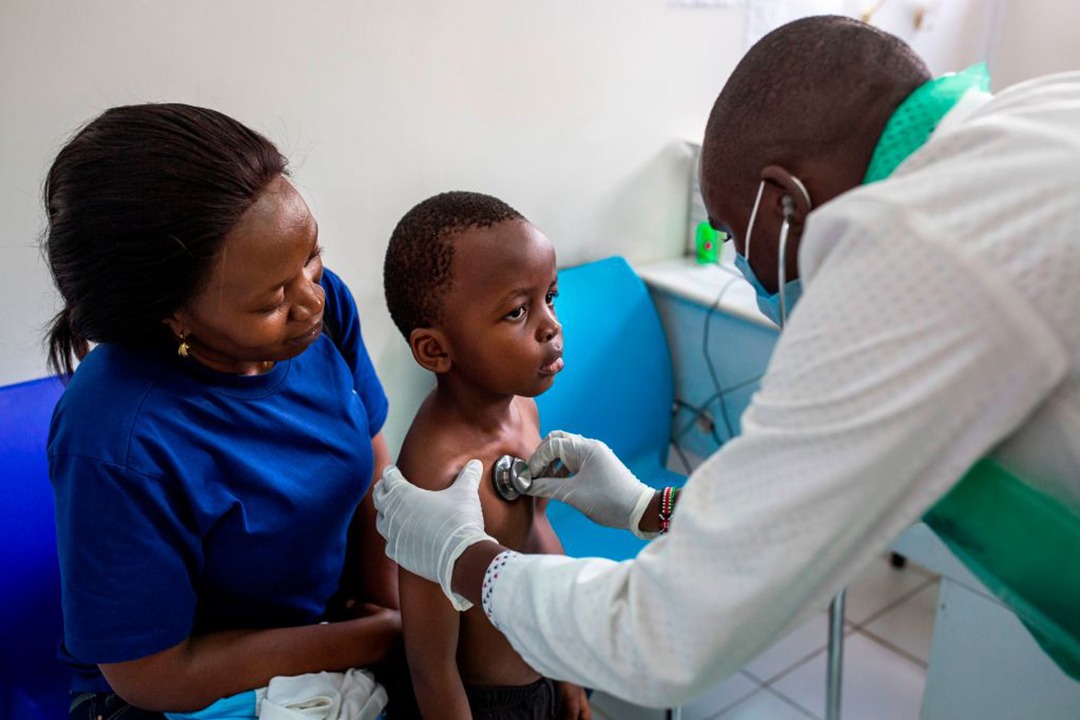
A central pillar of the BETA agenda is the understanding that infrastructure and financing deliver impact only when supported by a stable and motivated workforce. By early 2026, the Ministry of Health implemented structured reforms to expand, professionalize, and retain healthcare personnel across the country. Universal Health Coverage now rests on a strengthened human capital base capable of sustaining service delivery under the Social Health Authority framework.
Workforce stabilization has focused on predictable remuneration, career progression pathways, specialist expansion, and digital competency development. These reforms have reinforced operational continuity across public facilities and strengthened confidence among health professionals.
Professionalizing the Frontline
Stabilization began with the formal alignment of UHC staff remuneration to Salaries and Remuneration Commission guidelines. Since September 2025, health personnel across the 47 counties have transitioned to standardized pay scales under structured contractual frameworks. This reform has enhanced predictability in earnings, improved morale, and strengthened service continuity within public facilities.
- Standardized Compensation Framework: Alignment with SRC rates has reduced wage disparities and provided transparent salary structures for clinicians, nurses, laboratory technologists, pharmacists, and allied health professionals.
- Specialist Workforce Expansion: Recruitment drives have prioritized oncologists, nephrologists, cardiologists, anesthesiologists, and intensive care specialists to support the Emergency, Chronic, and Critical Illness Fund. Expanded specialist capacity strengthens tertiary care services and improves outcomes in complex medical cases.
- Digital Health Competency Development: Through the proposed AI in Health Centre of Excellence at Kenyatta National Hospital, clinicians are undergoing structured training in health informatics, AI supported diagnostics, and data driven clinical decision making. This investment positions Kenya to integrate advanced technologies within everyday medical practice.
- Retention and Career Growth Pathways: Structured promotion frameworks, continuous professional development programs, and postgraduate sponsorship opportunities support long term retention within the public health system.
These measures collectively anchor Universal Health Coverage in a competent and motivated clinical workforce.
Community Health Promoters: The 107,000 Strong Vanguard
The expansion of the workforce is most visible at community level. The deployment of 107,000 Community Health Promoters has transformed primary care delivery across rural, peri urban, and urban settlements. These promoters operate as structured extensions of the Primary Healthcare Fund and serve as the first contact point within the Taifa Care ecosystem.
As of July 2026, CHPs are transitioning to permanent and pensionable terms with structured remuneration frameworks. They are enrolled under comprehensive medical cover within SHIF and ECCIF, reinforcing dignity and stability within the cadre.
- Structured Employment Framework: Formal contracts, performance monitoring systems, and standardized stipends enhance accountability and professional identity.
- Health System Integration: CHPs are digitally linked to the Social Health Authority database, enabling seamless referrals and real time reporting of community level data.
- Equity in Access: Deployment strategies prioritize underserved and remote regions, ensuring that every village has direct access to trained frontline health personnel.
This professionalization ensures that Taifa Care maintains a strong human interface while operating within a digital health architecture.
Global Partnerships and the Path to Health Sovereignty
As Kenya advances through 2026, the sustainability of Universal Health Coverage is reinforced by structured international partnerships that strengthen institutional capacity while advancing national self reliance. Strategic collaboration frameworks are designed to support domestic systems, enhance regulatory maturity, and expand manufacturing capability within the health sector.
The USD 1.6 Billion Health Framework
In December 2025, Kenya signed a KSh 207 billion health partnership framework with the United States government. This agreement represents a major recalibration of external health financing toward direct institutional support.
- Direct System Financing: Funds are channeled through the Social Health Authority and the Digital Health Authority to support digital transition, workforce strengthening, and continuity of essential health programs.
- Institutional Capacity Building: Technical assistance components strengthen procurement systems, financial management, and regulatory oversight within national institutions.
- Transition to Domestic Financing by 2030: The framework outlines a structured pathway for Kenya to progressively assume full financial responsibility for externally supported programs by 2030, advancing fiscal sovereignty within the health sector.
Manufacturing and Regulatory Maturity: The 2026 Roadmap
The pursuit of World Health Organization Global Benchmarking Tool Maturity Level 3 status for regulatory systems represents a decisive step toward health sovereignty. Targeted for mid 2026, this milestone certifies the capacity of national regulatory institutions to oversee vaccine and pharmaceutical production at international standards.
- Regulatory Strengthening: Policy reforms, streamlined approval processes, and enhanced quality assurance mechanisms strengthen oversight of locally manufactured health products.
- Local Pharmaceutical Expansion: Reduced regulatory fees and investment incentives have attracted 13 new pharmaceutical manufacturers, expanding domestic production capacity for essential medicines.
- Continental Leadership: The African Union endorsement for Kenya to host the Extraordinary Summit on African Health Products Manufacturing in 2026 positions the country as a strategic hub for pharmaceutical innovation and regional exports.
These developments reinforce the integration of health security with industrial growth and regulatory excellence.
Conclusion: The Realization of Taifa Care
The progress recorded under BETA in 2026 demonstrates that Universal Health Coverage operates as a structured national system supported by financing reform, digital integration, workforce stabilization, pharmaceutical security, and strategic partnerships. The tripartite funding framework under the Social Health Authority, the operational backbone of AIIS, and the professionalized network of 107,000 Community Health Promoters collectively form a resilient architecture.
Operational refinements in claims processing and private sector engagement continue to receive attention within the reform agenda. The national health model now reflects a preventative orientation, equitable access, institutional accountability, and strengthened domestic capacity. Taifa Care stands as a defined pillar within Kenya’s social transformation agenda under Vision 2030.
